
5 Kitchen Design Ideas to Consider Before You Start Your Project
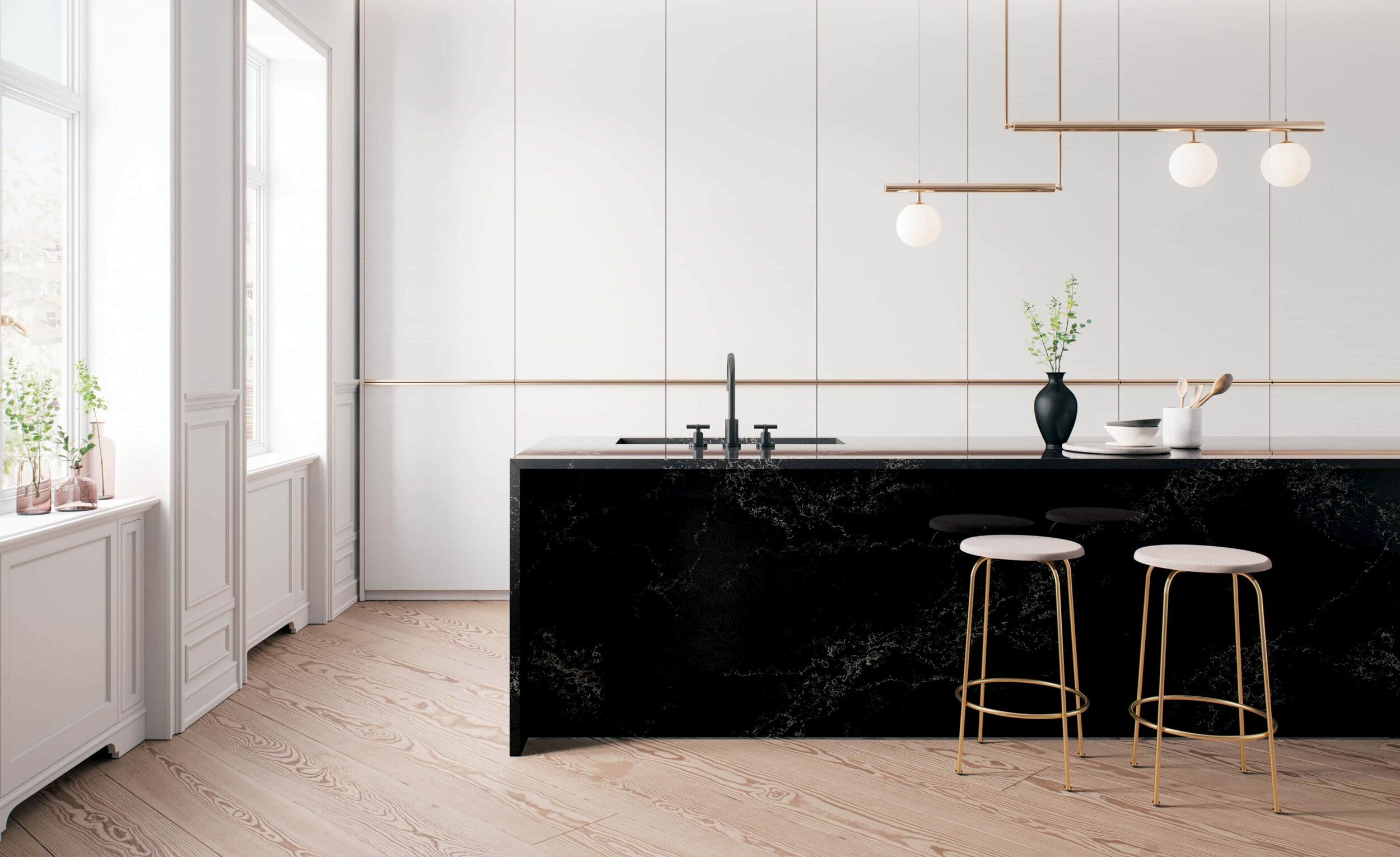
Designing a new kitchen is exciting, but it can also be difficult to know where to begin.
There are practical decisions to make around storage, layout, appliances and materials, but there are also more personal questions to consider. How do you want the space to feel? How will it support the way you live? What details will make it feel like it belongs in your home, rather than simply looking good in isolation?
To help make those early decisions feel a little clearer, we sat down with DStevens design consultant Fiona Houston-Stevens to talk through five ideas worth considering when planning a new kitchen.
From clever storage solutions to bold use of colour, these are the kinds of details that can help turn a kitchen from a standard room into a beautifully resolved, highly functional space designed around the way you live.

Every kitchen starts with the client, from the way the space is used each day to how it connects with the rest of the home.
1. Start with how you use the kitchen
Before looking at finishes or colours, it helps to think carefully about how the kitchen will be used day to day.
Every household is different. Some kitchens are designed around family routines, school lunches and busy evenings. Others are centred around entertaining, baking, coffee rituals, shared meals, or quiet moments at the start of the day.
A well-designed kitchen should support those rhythms naturally. That means thinking about where people move, where things are stored, how the kitchen connects to nearby living spaces, and what needs to be close at hand.
At DStevens, every kitchen starts with the client. Rather than working from a standard template, we look at the home, the lifestyle and the way the space needs to function before shaping the design.

Bespoke cabinetry allows storage to be shaped around what you own, how often you use it and where it should be close at hand.
2. Make storage work harder
Storage is one of the most important parts of any kitchen, but it is not just about having more of it.
Good storage is considered. It is designed around what you own, how often you use it, and where it makes the most sense to access it. Deep drawers, appliance cupboards, pantry zones, integrated bins, tray storage, spice storage and dedicated places for everyday items can all make a kitchen easier to use.
The aim is to reduce clutter and create a sense of calm. When everything has a place, the kitchen feels more generous, even when the footprint has not changed.
This is where bespoke design can make a real difference. Custom cabinetry allows storage to be tailored to the space and the people using it, rather than forcing a household to work around a fixed set of options.

Subtle details such as benchtop thickness, cabinet edges and panel proportions can have a big impact on the overall feeling of a kitchen.
3. Pay attention to edges and proportions
Some of the most effective design decisions are also the most subtle.
The thickness of a benchtop, the profile of a shelf, the depth of a panel, or the way cabinetry edges are finished can all change the feeling of a kitchen. A heavier edge can feel classic and traditional. A finer profile can create a more refined, contemporary look.
These details influence the overall balance of the space. They can make cabinetry feel lighter, more designed, more crafted, or more integrated with the rest of the home.
For a bespoke kitchen, this level of detailing is part of the design process. It is not just about choosing materials, but deciding how those materials are shaped, finished and brought together.

Colour works best when it is considered alongside texture, materials, lighting and the surrounding spaces.
4. Use colour with purpose
Colour can bring warmth, personality and energy into a kitchen, but it does not need to dominate the room.
Pops of colour can be used to define an island, highlight a bank of cabinetry, create contrast, or add depth to a neutral palette. Colour can be bold and expressive, or soft and tonal, depending on the home and the people who live there.
The key is to use colour with purpose. Rather than adding it as an afterthought, it should be considered alongside materials, textures, lighting, flooring and surrounding spaces.
When done well, colour can make a kitchen feel more personal while still remaining balanced and timeless.

A successful kitchen feels connected to the wider home, supporting cooking, entertaining, relaxing and gathering in one resolved space.
5. Think about the kitchen as part of the whole home
A kitchen is rarely just a kitchen.
It often connects to dining, living and outdoor spaces. It may need to work as a place for entertaining, helping children with homework, preparing food, drinking tea, or gathering at the end of the day.
This means the design needs to consider more than the traditional placement of sink, cooktop and fridge. It should look at movement, sightlines, seating, lighting, materials and how the kitchen sits within the wider home.
A successful kitchen feels connected. It works practically, but it also feels resolved as part of the architecture and atmosphere of the home.
Planning your own kitchen project?
A new kitchen is an opportunity to create something that genuinely fits the way you live.
Whether you are renovating an existing home or planning a new build, early design conversations can help clarify what matters most, from storage and layout through to materials, colour, detailing and installation.
At DStevens, we work with clients from concept through to fabrication and installation, creating one-off kitchens that are practical, beautifully crafted and tailored to each home.
If you are thinking about your next kitchen project, get in touch with our team to start the conversation.